- Village in the Shade launched July 30, 2026 in Japan and October 27, 2026 worldwide with English support.
- The opening hours are story-first: expect roughly 8 hours before every farming system is fully open (per Noisy Pixel’s review).
- You play as a child settling in the mountain village of Kagatsu — there is no romance or marriage in this game.
Day one in Kagatsu
The story opens fast: you wake from a ten-year nap and travel to Kagatsu, where villagers Komako and Kisuke find you. Town leader Rin grants your farm plot in exchange for labor — that labor is your tutorial. Follow the story prompts, meet the villagers around town, and let the game hand you your first chores before you try to optimize anything.
- Follow the opening storyThe prologue walks you into village life. Let it — systems unlock in a fixed order and the story wants your attention first.
- Claim and clear your farmOnce Rin grants the plot, clear weeds and debris from your yard. A small grid fills quickly, so prioritize a few crop beds over trying to plant everything.
- Learn the shop loopBuy seeds at the General Store, sell your harvest, and reinvest. Errand tickets from townsfolk unlock blueprints and systems, so keep doing villager favors.
- Respect the curfewDo not linger outside late at night. Kagatsu’s rules exist for a reason — see our rules explained guide.
Your safe daily routine
A steady loop beats an ambitious one. Mornings: water crops and tend livestock. Midday: fish, hunt, or mine for upgrade materials (each activity needs its own gear and, for hunting, a permit). Afternoons: run errands and give gifts to raise villager friendship. Evenings: get home before dark processes what you gathered.
Two tools reviewers swear by
- The Dog Whistle unlocks fast travel — grab it as soon as the story allows.
- The Notebook is a planning tool that proves unexpectedly valuable for tracking materials and goals.
What not to worry about yet
- Out-of-season crops die when the season turns — plant only what you can harvest in time.
- Big builds like the barn come later; the small grid plus errands carries your first season.
Farming, livestock, and money early on
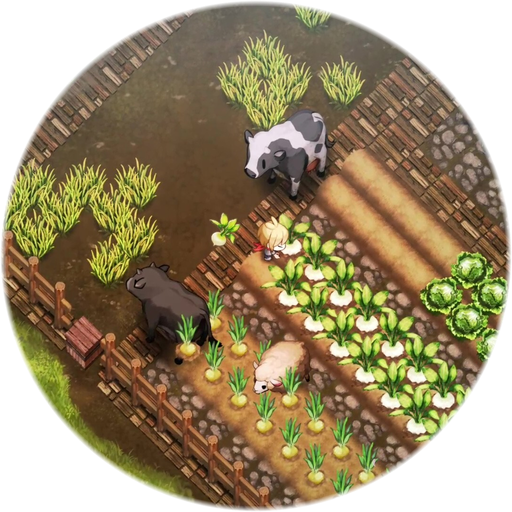
Farming covers regular fields, rice paddies, and — after Patch 1.20 — expanded livestock like Silkie Chickens and Fluffy Cows from Chinana’s stall. Animals produce eggs and milk daily, which steadies your income between harvests. For your first week, a mix of fast crops plus errand rewards out-earns risky long-season planting.
Watch the festival calendar: seasonal events like the summer festival and cherry-blossom viewing are social anchors, and participating raises villager bonds. When Patch 1.30’s birthday events arrive in Year 2, villagers at affection level 3 or higher will celebrate with you.
Where to go next
- Learn every rule before you break any: village rules explained
- See how the whole story flows: full walkthrough
- Meet the cast: all characters
- Check what changed at launch: updates and patch notes